“How to self-publish / how to publish a book (step by step)”
- This is the classic: people want a roadmap.
- “How to publish a book”, “self publishing companies”, “how to self publish” show up in keyword SEO lists.
- Many “most common questions” resources list “Where should I publish?” or “Which platform do I use?” as top queries.
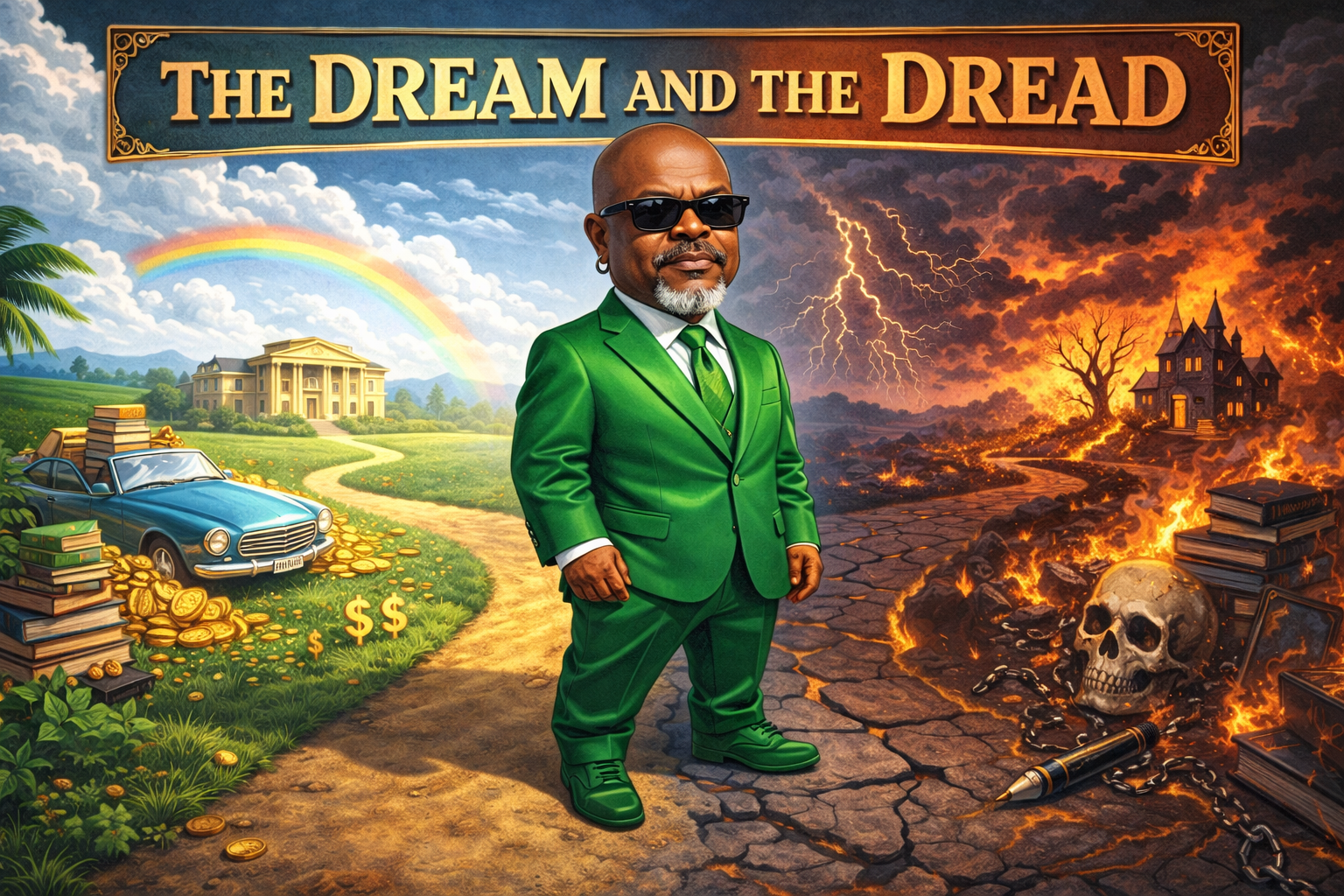
Introduction: The Dream and the Dread
There’s a moment when an idea becomes too loud to ignore. Maybe it’s the memoir you’ve been telling at dinner parties, or that fantasy world you’ve been drawing in the margins of your notebooks since high school. Either way, you decide it belongs in a book. That’s when the panic sets in. How does one even publish a book?
Traditional publishing feels like trying to win the lottery, but self-publishing sounds like the Wild West with cover designers instead of cowboys. People go to Google and type, “How to self-publish?” or “Which company should I use?” hoping for a roadmap. The truth is, self-publishing isn’t mysterious, but it does require patience, a plan, and the willingness to wear about seven different hats. The good news: plenty of authors before you have figured this out, and you can too.
Step One: Writing Isn’t Enough
It’s a cruel surprise when you finish your manuscript and realize you’re not done. Finishing the writing is only the first checkpoint, not the finish line. The draft has to face the brutal light of editing. Self-publishing authors who skip editing because they’re eager to upload their book often regret it. Readers forgive many things, but not typos or clumsy pacing. Imagine walking into a bakery, seeing a beautiful cake, and then realizing it’s undercooked inside.
That’s what sloppy editing feels like to a reader. Successful self-publishers usually hire a freelance editor or at least swap manuscripts with other writers who are merciless with feedback. A friend may say your story is “great,” but an editor will say, “Chapter three drags, your dialogue feels wooden, and that subplot should be cut.” Painful, yes. But this pain saves your book from being forgotten in the digital dust.

Step Two: Cover Design Is Not Clip Art
We’ve all judged books by their covers, no matter what moral high ground we claim. That’s why cover design is not a DIY project for most authors. Canva templates are fine for birthday invitations, but not for the one shot you get to catch a stranger’s attention on Amazon. Picture a thriller novel with a Comic Sans title or a romance novel with stock art that looks like it came from a 1998 desktop screensaver.
Readers instantly assume the inside is as careless as the outside. Smart self-publishers hire designers who know genre conventions. A mystery cover needs shadow and suspense. A romance cover needs chemistry. A nonfiction business book needs authority. The cover is a handshake with your reader, and nobody forgets a weak handshake. One author I knew sold almost nothing until she invested in a new cover. Sales tripled in a month. Nothing inside had changed, but the new “face” of her book turned browsers into buyers.
Step Three: Platforms and Distribution Choices
Once your manuscript and cover are ready, the next question is, “Where do I put this thing?” This is where searches for “self-publishing companies” flood the internet. The two names you’ll trip over most often are Amazon’s Kindle Direct Publishing (KDP) and IngramSpark. KDP gives you reach on the world’s biggest bookstore and makes eBooks simple to publish. IngramSpark, on the other hand, specializes in getting your paperback into libraries and indie bookstores.
Some authors use both. Others experiment with Draft2Digital, Smashwords, or even direct sales on their own websites. The platform you choose depends on your goals. Do you want maximum visibility or control over pricing and distribution? One indie fantasy writer went with KDP only, hitting bestseller lists by tapping into Amazon’s algorithm. A local history author chose IngramSpark because her dream was to see her book on the shelves of the neighborhood bookstore. Both paths worked, because they fit the author’s vision.

Step Four: Marketing and Discoverability
Publishing a book online doesn’t mean readers will magically appear. The internet is not Santa Claus. Marketing is where many self-publishers groan the loudest. It feels strange to brag about your own book, but it’s necessary. Building an email list, sharing behind-the-scenes posts, and asking for reviews all matter. Reviews especially act like social proof, turning curious strangers into buyers. I once met a thriller author who hand-delivered copies to local book clubs just to get honest reviews posted online.
Within six months, her novel had a steady trickle of new readers without a single ad. Others take the ad route, running Facebook or Amazon campaigns to push visibility. The point isn’t to become a marketing guru overnight, but to recognize that your book won’t walk off the digital shelf without you guiding it. Think of marketing as an extension of storytelling. You’re still telling the story, but now it’s the story of why someone should care about your book.
Step Five: The Money Conversation
Nobody wants to talk about money until bills arrive. Self-publishing costs money upfront, though less than people imagine. Editing, cover design, formatting, and marketing can add up. Some authors spend a few hundred dollars. Others spend thousands. The difference is in expectations. Do you want a professional product that competes with traditionally published books, or are you content with a family keepsake?
One author I knew wanted his memoir to look professional, so he invested in editing and design, then priced the book competitively. He sold enough copies to cover his costs and even earned royalties afterward. Another author cut every corner, uploaded a messy manuscript with a pixelated cover, and then was surprised when readers ignored it. Self-publishing is like starting a small business. You invest, you market, and if done well, you make it back. The beauty is that royalties are higher than in traditional publishing, meaning you keep a larger slice of every sale.
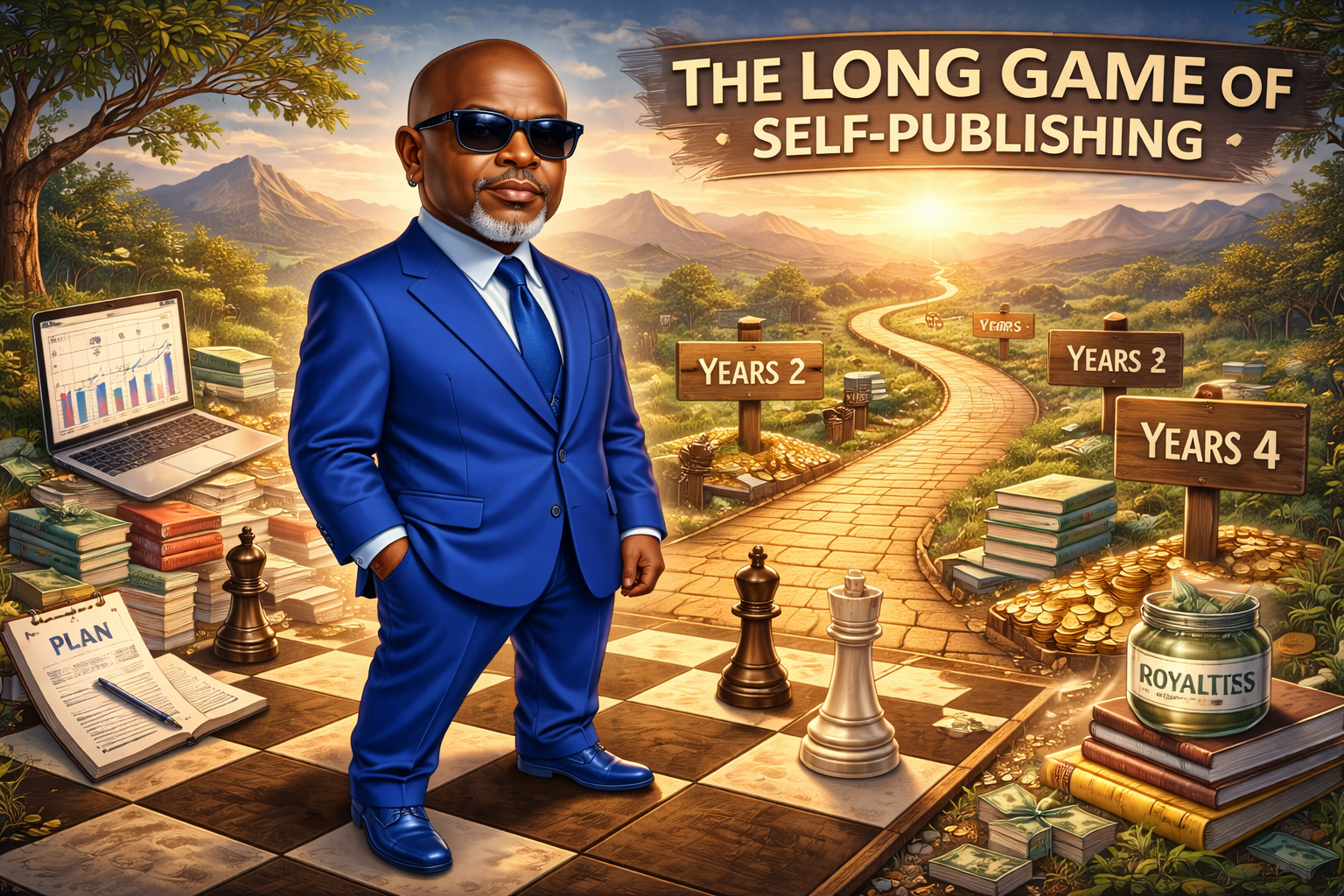
Conclusion: The Long Game of Self-Publishing
The journey of self-publishing is not a sprint. It’s closer to a marathon where the first few miles feel like chaos. Writing is hard, editing is humbling, covers are nerve-wracking, and marketing feels endless. But the reward is enormous. You hold your book in your hands. You see reviews from strangers across the world who connected with your words. You build something that belongs to you, without gatekeepers deciding if it deserves to exist.
That’s why so many people search for “how to self-publish” every day. They’re chasing the dream of being heard, of leaving something behind that says, “I was here, and I had a story.” The roadmap isn’t secret. Write the book, polish it, give it a cover worthy of its heart, choose a platform that fits, and then step into the noisy but thrilling world of marketing. It’s work, yes, but it’s also freedom. And freedom, especially in publishing, is worth every late night and every nervous click of the “publish” button.
Most writers stop at “The End.”
Professionals start there.
If you’re serious about building books that sell, grow, and last, subscribe to the newsletter and step inside the Negus.Leo Publishing Online Library. You’ll get practical guidance, honest insight, and strategies people actually use.
Write boldly. Publish wisely. Build something that outlives the hype.
Canty