The Draft Is Not the Destination
Finishing a first draft produces a feeling that is hard to match. The last sentence lands, the document closes, and for a moment everything feels complete. That feeling is earned and worth acknowledging. It is also misleading, because what exists at the end of a first draft is not a book. It is raw material, and the distance between raw material and a finished book that holds a reader’s attention from the first page to the last is where most self-published authors either invest the work that separates them from the noise or skip it and wonder later why their book never found an audience.
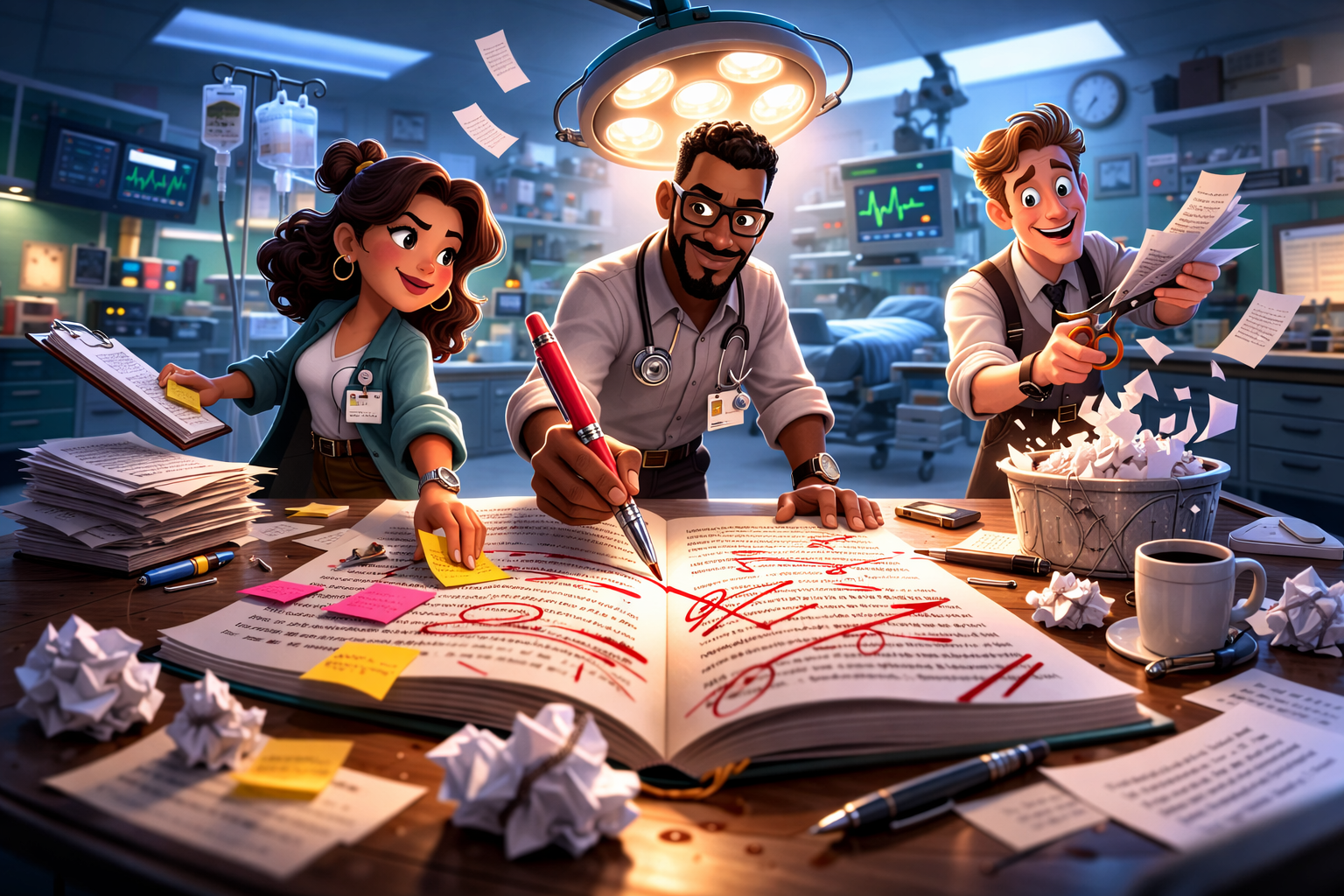
Most writing advice focuses heavily on the drafting process. Far less attention goes to what happens after the draft is done, which is where the actual publishing work begins. Editing is not a finishing touch applied to a manuscript that is otherwise complete. It is the process through which a draft becomes a book, and treating it as optional or secondary is one of the most reliable ways to produce a title that technically exists but never connects with the readers it was written for.
Developmental Editing: Where the Real Structure Gets Built
Developmental editing addresses the large-scale questions that determine whether a book works as a whole. Does the argument hold together from beginning to end? Does the pacing maintain enough momentum to keep readers moving forward, or does it stall in ways they will feel before they can name? Are the ideas presented in an order that builds understanding progressively, or does the structure create confusion that accumulates over chapters? These are not cosmetic questions. They go to the bones of the manuscript, and answering them honestly often requires significant reorganization of material the author worked hard to produce.
This is the stage most authors want to skip because it is the most demanding and the most likely to surface problems that cannot be fixed with small adjustments. A chapter that does not belong in the book has to come out regardless of how well it is written. An argument that loses the reader midway through needs to be rebuilt from the point where the reader was lost, not patched from the surface. Developmental editing is the stage where manuscripts that feel like drafts become manuscripts that read like books, and no amount of sentence-level polish applied afterward can compensate for structural problems left unresolved here.
Line Editing: The Rhythm Underneath the Words
Once the structure is sound, line editing addresses the quality of the writing at the sentence and paragraph level. This is where word choice, flow, voice, and rhythm get examined in detail. A sentence that is grammatically correct can still break the reader’s momentum if it lands awkwardly in context, uses a word that carries the wrong connotation, or runs so long that the original idea gets buried before the period arrives. Line editing finds those moments and resolves them without flattening the author’s voice in the process.
The goal of line editing is not to make every sentence sound the same. It is to make sure the author’s voice carries consistently without stumbling over itself. Repetitive word choices, shifts in register that feel unintentional, and passages where the phrasing calls attention to itself rather than to the idea being communicated all fall within the scope of this stage. Authors who skip line editing and move directly from developmental work to copyediting often produce books that are structurally sound but feel unpolished in ways readers sense immediately even when they cannot identify the source. The reading experience is smoother than the draft but rougher than it needs to be, and that gap shows up in how readers describe and review the work.
Copyediting: The Detail Work That Protects Credibility
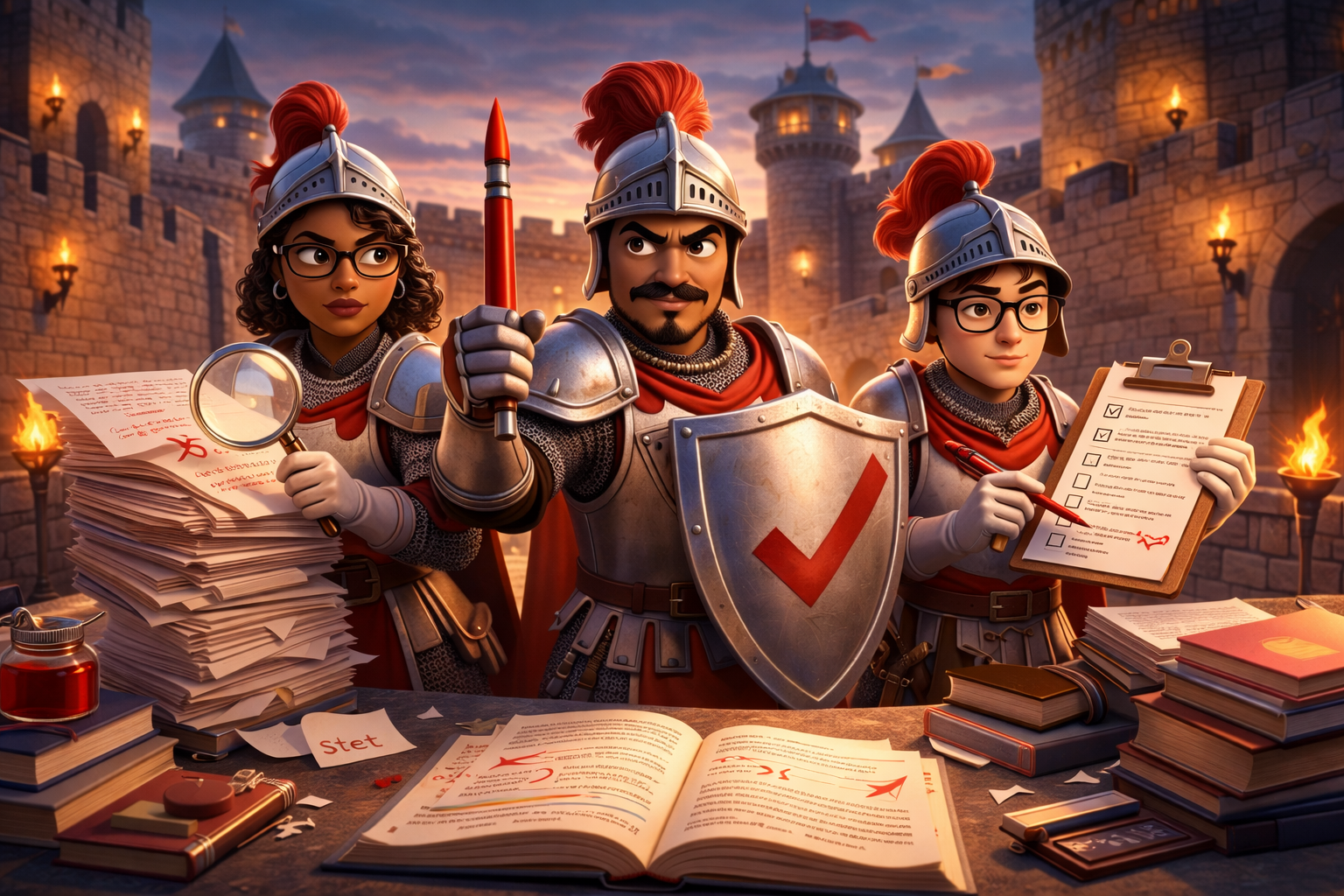
Copyediting addresses grammar, punctuation, consistency, and continuity across the full manuscript. It is the stage most people associate with editing because it is the most visible layer, but it is also the layer that should come last, not first. Applying copyediting to a manuscript that has not yet been through developmental and line editing is the equivalent of painting walls before fixing the plumbing. The surface looks better temporarily, but the underlying problems are still there and still costing you.
When copyediting is applied at the right stage, it catches the errors that would otherwise reach readers and damage credibility. A character whose eye color changes between chapters. A date that contradicts a historical event mentioned elsewhere in the book. A word used consistently throughout that is consistently wrong. These are the details readers notice and mention in reviews, often in ways that overshadow the content itself. Copyeditors are the last structural defense between a manuscript and publication, and their work protects the author from the kind of careless impression that is difficult to recover from once it is attached to a book’s public record.
Finding Editorial Help Without Overspending
Professional editing costs real money, and most independent authors are working without the financial infrastructure of a traditional publishing house behind them. That reality requires making strategic decisions about where editorial investment goes rather than concluding that professional editing is out of reach. Many authors prioritize developmental editing as the highest-value investment because structural problems cannot be fixed at any later stage, then use trusted writing partners or beta readers to address line-level concerns before a final copyediting pass. Others save for a single professional round and build everything else around it.
The decision that consistently costs authors more than any other is choosing the least expensive option without evaluating what that option actually delivers. A copyedit that misses significant errors, a developmental note that addresses surface concerns while leaving structural problems intact, or a line edit that smooths language without engaging the voice all represent investments that do not solve the problems they were hired to solve. Spending wisely means understanding what each editorial stage does, what questions it answers, and whether the person being hired has the specific experience to answer those questions for your genre and format.
The Emotional Work Nobody Warns You About
Editing requires a different relationship with your own writing than drafting does, and most authors are not prepared for how much that shift costs emotionally. Drafting rewards attachment. The more connected you feel to your ideas, your characters, and your language, the more energy you bring to the page. Editing requires the opposite. The more attached you are to a section, a passage, or a structural choice, the harder it becomes to evaluate it honestly, and honest evaluation is the only thing that produces meaningful improvement.
The passages authors are most reluctant to cut are often the ones that most need to go. A subplot that the author loves but that does not serve the book’s central purpose. A section of explanation that reassures the author the reader will understand but that a reader who actually encounters it finds unnecessary. A stylistic choice that felt distinctive in the draft but that breaks momentum in the reading experience. Learning to serve the book rather than protect the draft is the internal work editing requires, and it is what ultimately separates writers who publish one draft from writers who produce books that hold up under repeated reading.

Take the Next Step
The writers who produce books worth reading are not necessarily the most talented first drafters. They are the ones willing to do the hard work after the first draft is done. That willingness is a decision, and you can make it today. Grab the free resources and keep moving forward.
R.L. Canty | Negus.Leo Publishing, LLC