Ownership Is Not the Same as Protection
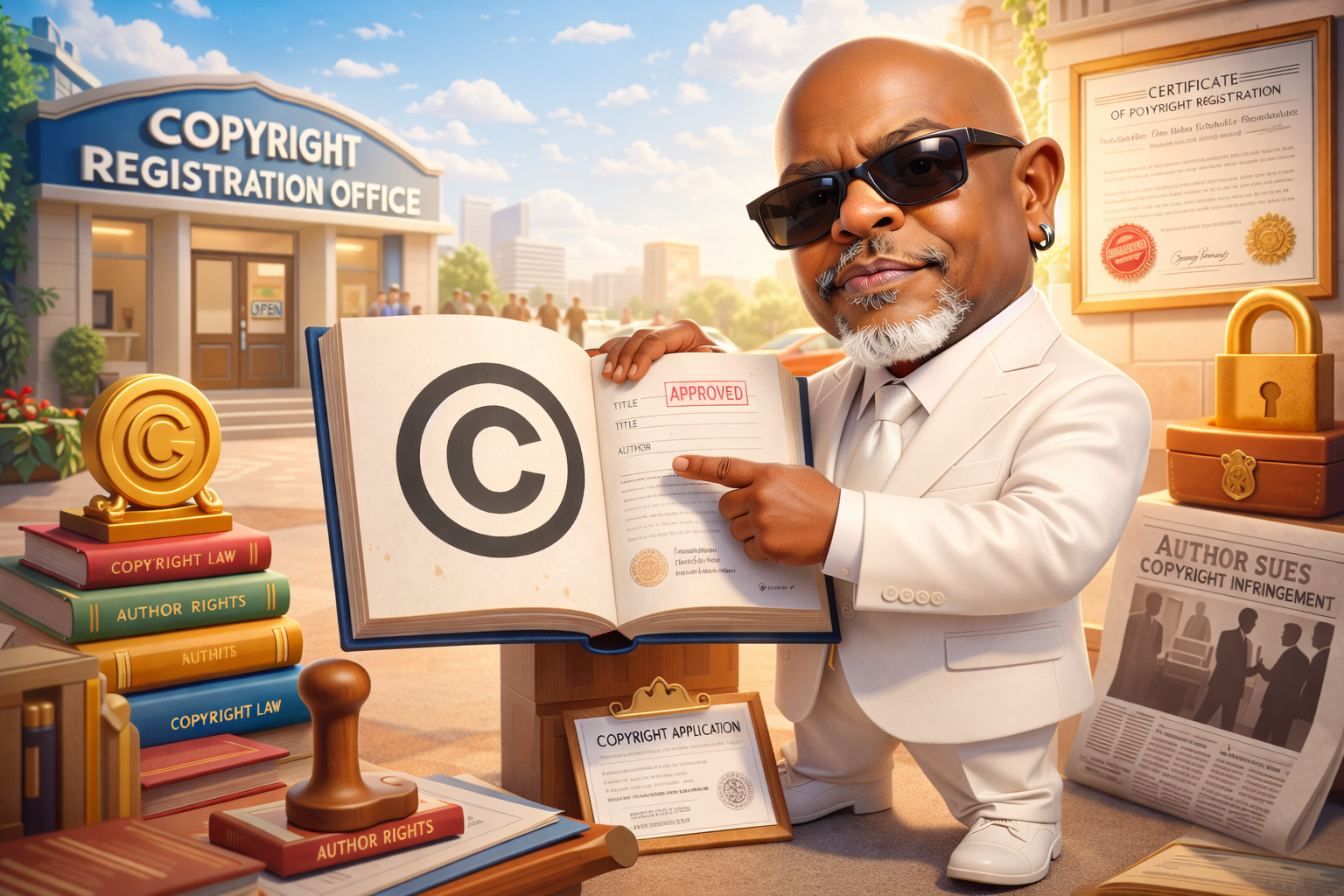
The moment you finish writing your book and it exists in a fixed form, whether on paper, on your computer, or inside a formatted file, the copyright belongs to you automatically. That is how United States law works. You do not need to fill out a form, pay a fee, or notify anyone to become the legal owner of your work. Creation itself establishes that right, and most authors know this much. What far fewer authors understand is that automatic ownership and meaningful protection are not the same thing, and treating them as equivalent is one of the most common and costly mistakes in self-publishing.
Owning something and being able to defend that ownership are two entirely different positions. If someone copies your book, uploads it to another platform, or sells it without your permission, telling a court that you own the work is not enough on its own. Legal systems run on documentation. Without formal registration, your ability to pursue infringement is significantly limited, and the consequences available to you shrink in ways that matter when it counts most.
What Registration Actually Gives You
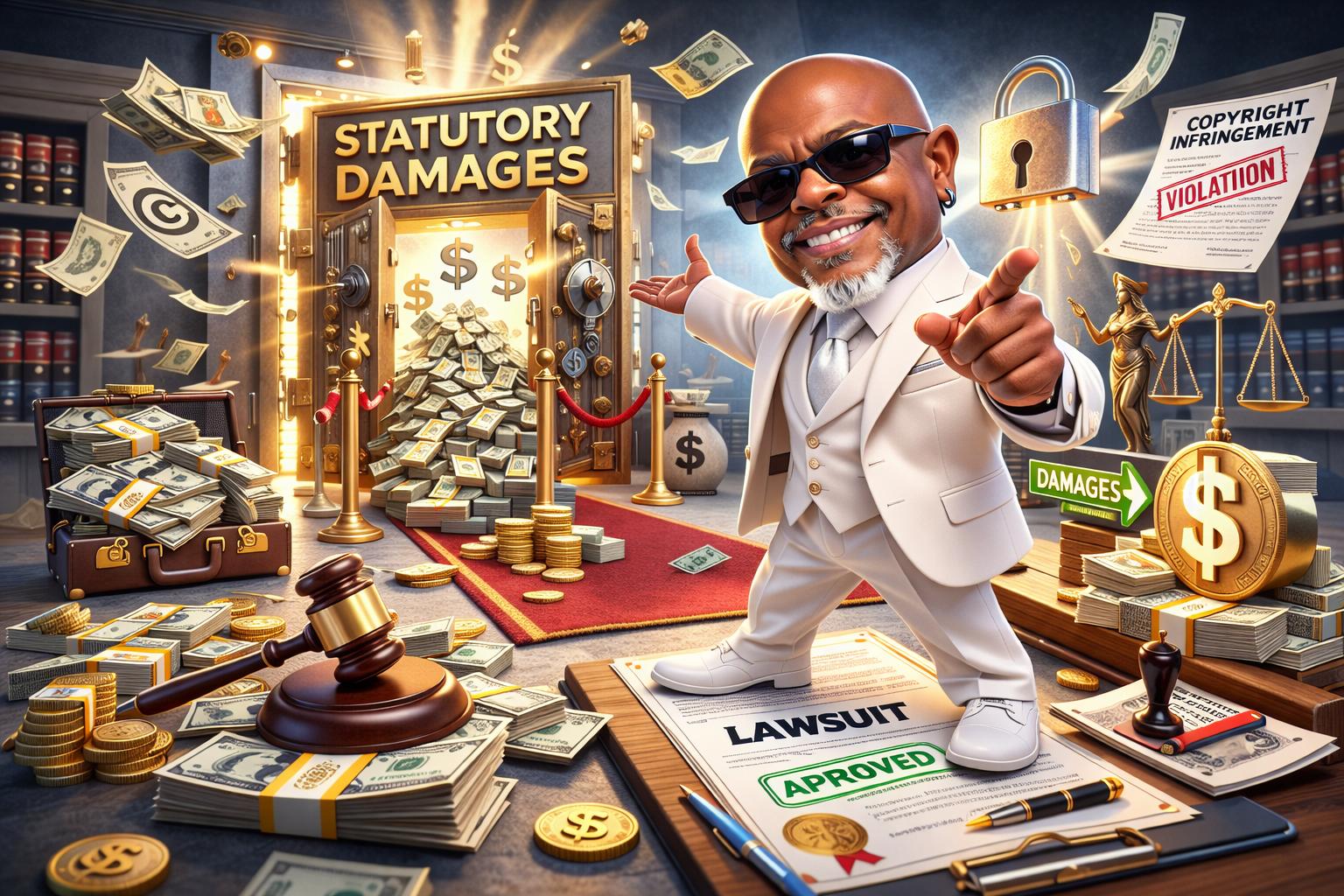
Registering your copyright with the U.S. Copyright Office does something automatic ownership cannot. It gives you legal standing to file a lawsuit if someone infringes on your work. Without a registered copyright, that door is effectively closed. Registration also opens access to statutory damages, which is a provision that allows a court to award a set amount of money without requiring you to prove exactly how much financial harm you suffered. That distinction is significant because proving actual damages is complicated, expensive, and often results in awards that do not justify the cost of litigation.
The internet makes copying easy and digital distribution makes it fast. If your book gains any traction, it becomes more visible, and visibility increases both opportunity and risk simultaneously. Most authors will never face a serious infringement situation. Some will. You cannot know in advance which category applies to you, but you can control whether you are positioned to respond effectively if the situation arises. Registration is that positioning. It does not guarantee a favorable outcome, but it guarantees you have options.
The Process Is Simpler Than Most Authors Expect
Registering a copyright is not complicated, but it does require you to actually do it rather than intend to do it. You create an account with the U.S. Copyright Office, complete an application under the category of Literary Work, pay the filing fee, upload your manuscript, and submit. Processing can take several months, but your effective date is the date you submit a complete application, not the date the office finishes reviewing it. For most self-published authors, the right time to register is once the manuscript is finalized and either before or shortly after publication. Waiting until a problem occurs puts you in a weaker position than registering in advance.
One myth worth addressing directly is what some people call poor man’s copyright, which involves mailing yourself a sealed copy of your manuscript to establish a dated record. It sounds practical and costs almost nothing. It is also not a substitute for federal registration, and courts do not treat it as equivalent protection. At best it may help establish a timeline in a dispute. At worst it creates false confidence that leads authors to skip the step that would actually protect them.
What Copyright Covers and What It Does Not
Understanding the boundaries of copyright protection matters as much as understanding the registration process. Copyright protects the specific expression of your ideas. It covers the words you wrote, the structure you built, and the original content you produced. It does not protect the idea itself. You cannot copyright a general concept like a book about financial freedom or a story about personal reinvention. You can copyright your specific explanation, your particular stories, and the unique framework you developed to present those ideas. That distinction is easy to blur, and blurring it leads to misplaced confidence about what you actually own.
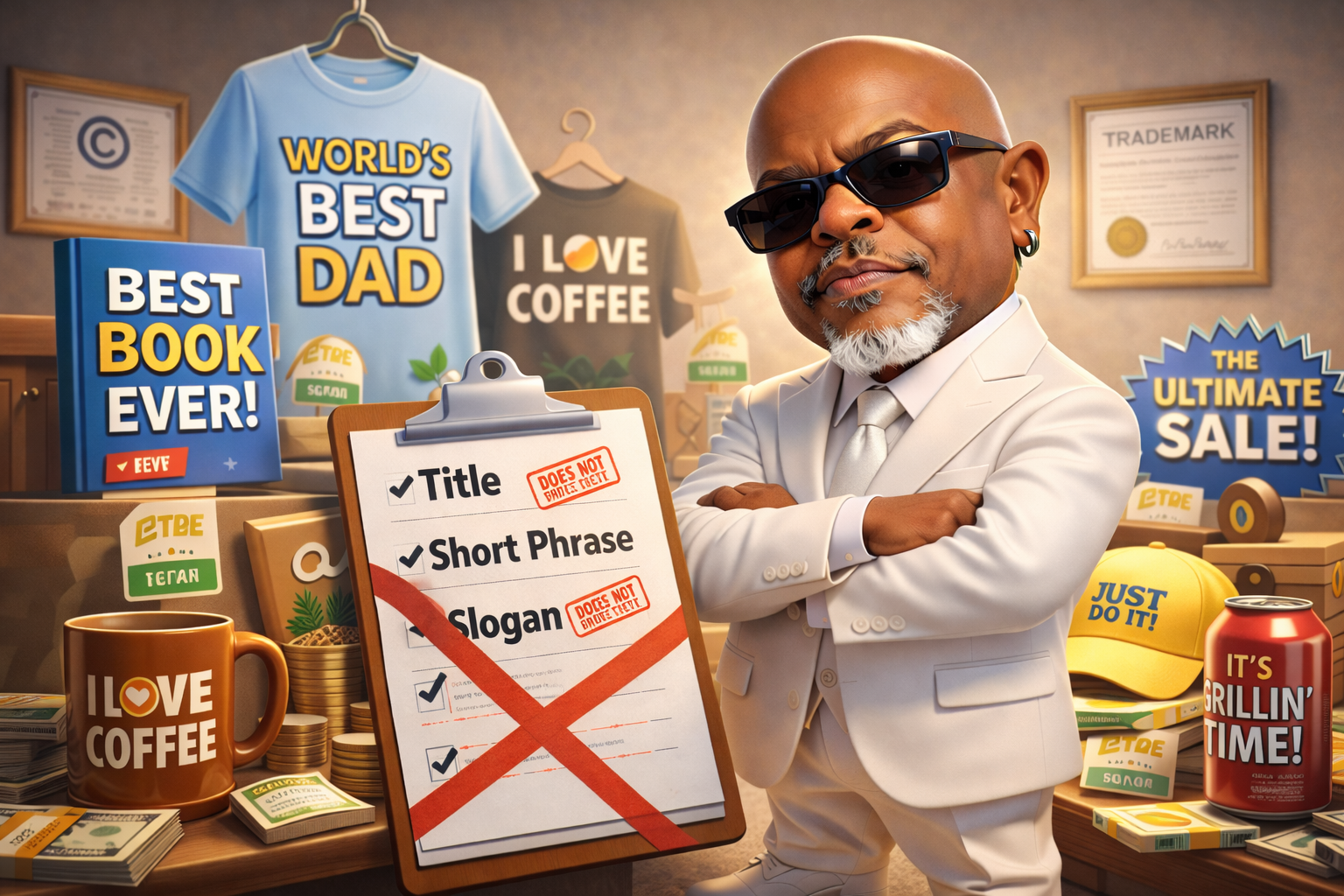
Copyright also does not protect titles, short phrases, or slogans. If protecting a brand name or series title matters to you, that falls under trademark law, which is a separate process with different requirements. Authors who assume their copyright covers everything often discover the gap only when they need the protection most.
Your Book Is a Long-Term Asset, Not Just a Launch Event
Copyright protection for individual authors in the United States lasts for your lifetime plus seventy years. That means the book you publish today can generate income, be licensed for adaptation, inherited by your heirs, and included in your estate long after you are gone. Most self-published authors think in terms of launch cycles, release dates, and initial sales windows. Very few think in terms of multi-decade ownership, and that narrow focus leaves significant long-term value unmanaged.
When you self-publish, there is no traditional publisher filing paperwork on your behalf or managing rights in the background. You are the publisher, which means you hold the rights and you are responsible for managing them. That responsibility includes creating audiobooks, licensing translations, negotiating adaptation rights, and structuring partnerships. Every one of those opportunities flows directly from documented ownership. A registered copyright is the foundation that makes all of it possible and defensible. Treating your book as a serious long-term asset rather than a short-term project changes how you approach every decision that follows publication, starting with protection.
Take the Next Step
Your work deserves protection, and protecting it is not as complicated as the legal language makes it sound. The moment you wrote it, you owned it. Registration just makes sure the world knows it too. If you are ready to take your publishing journey seriously from the ground up, start with the free resources waiting for you.
R.L. Canty | Negus.Leo Publishing, LLC