
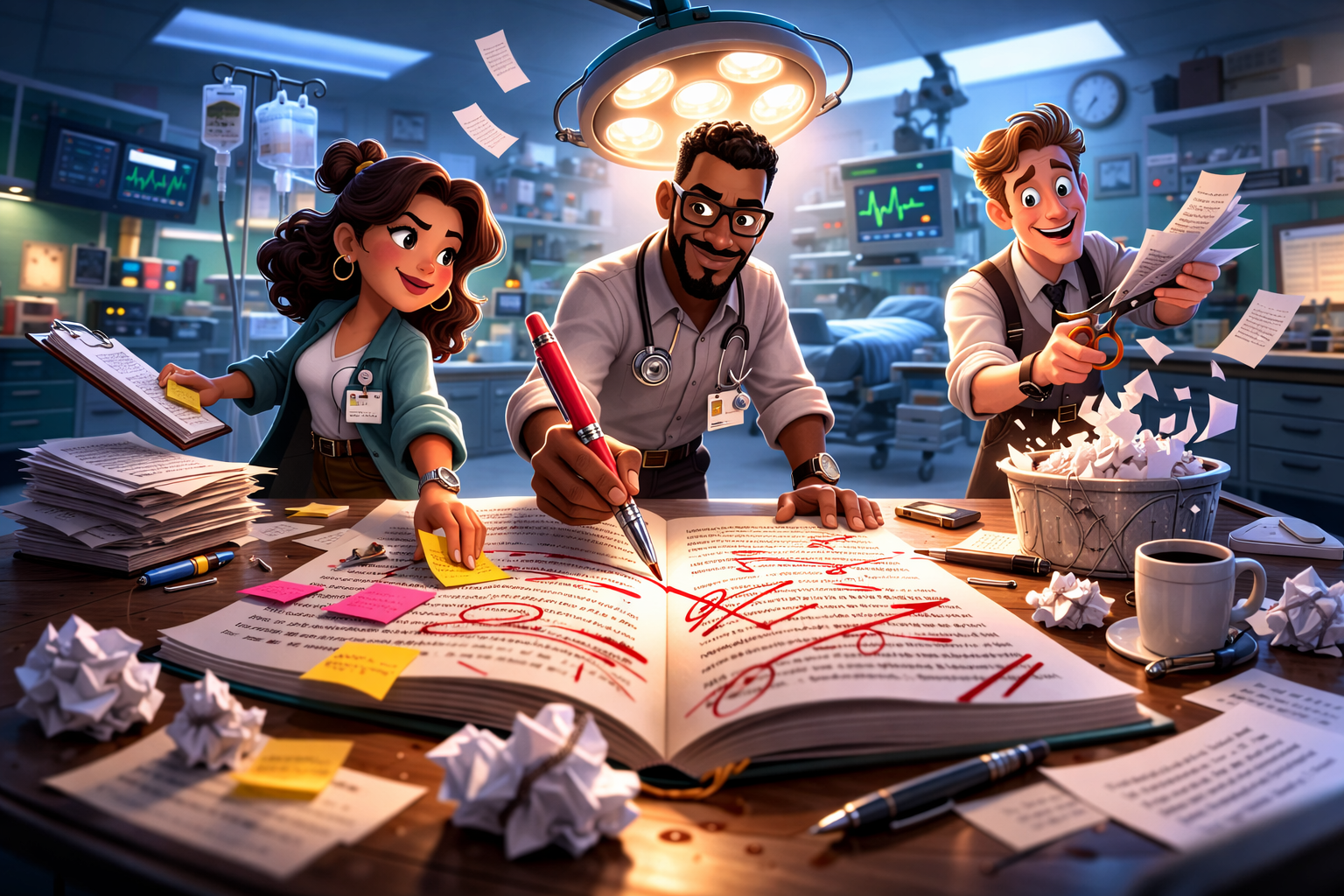
Introduction: The Draft Is Not the Destination
Finishing a draft feels like conquering Everest. You type the last sentence, slam the laptop shut, and declare victory. Then reality hits. That draft isn’t a book. It’s raw ore that needs refining. This is where many new authors freeze. The excitement of writing is gone, replaced by the slow grind of editing. It feels unfair, like being asked to run a marathon right after crossing a finish line.
But editing is what separates the stories people admire from the stories they abandon after three pages. A sloppy draft is like a house with leaky pipes and cracked windows. Editing seals the gaps, tightens the screws, and makes the whole thing livable. The best authors understand that their real job begins after the last word is typed.
The Brutal Beauty of Developmental Editing
Developmental editing is the big-picture surgery. It asks the questions most writers avoid. Does the story actually make sense? Do characters grow or just wander? Is the pacing balanced, or does chapter two drag like a Monday morning? One fantasy writer I know had a thrilling climax but it arrived halfway through the book, leaving the second half limp.
A developmental editor pointed it out, and the writer had to rearrange the entire story arc. Painful? Absolutely. But the result was a book readers couldn’t put down. Developmental edits hurt because they challenge the very bones of the book. Yet this is also where the magic happens. Without it, a draft may feel like a diary. With it, the book starts to sing.
Line Editing: The Music of the Sentences
Once the structure stands strong, line editing steps in. This is where rhythm matters. Line editors zoom in on word choice, flow, and voice. A clunky sentence can break immersion faster than a phone buzzing in a movie theater. Think of line editing as tuning an instrument. The melody of your story exists, but the strings need tightening. I once read a draft where every character “smiled” every other line.
After a line edit, smiles became smirks, grins, chuckles, or sometimes silence that spoke louder than words. Suddenly the dialogue felt alive. A good line editor doesn’t erase your style. They amplify it, making sure your unique voice carries without stumbling. It’s craft, not censorship.
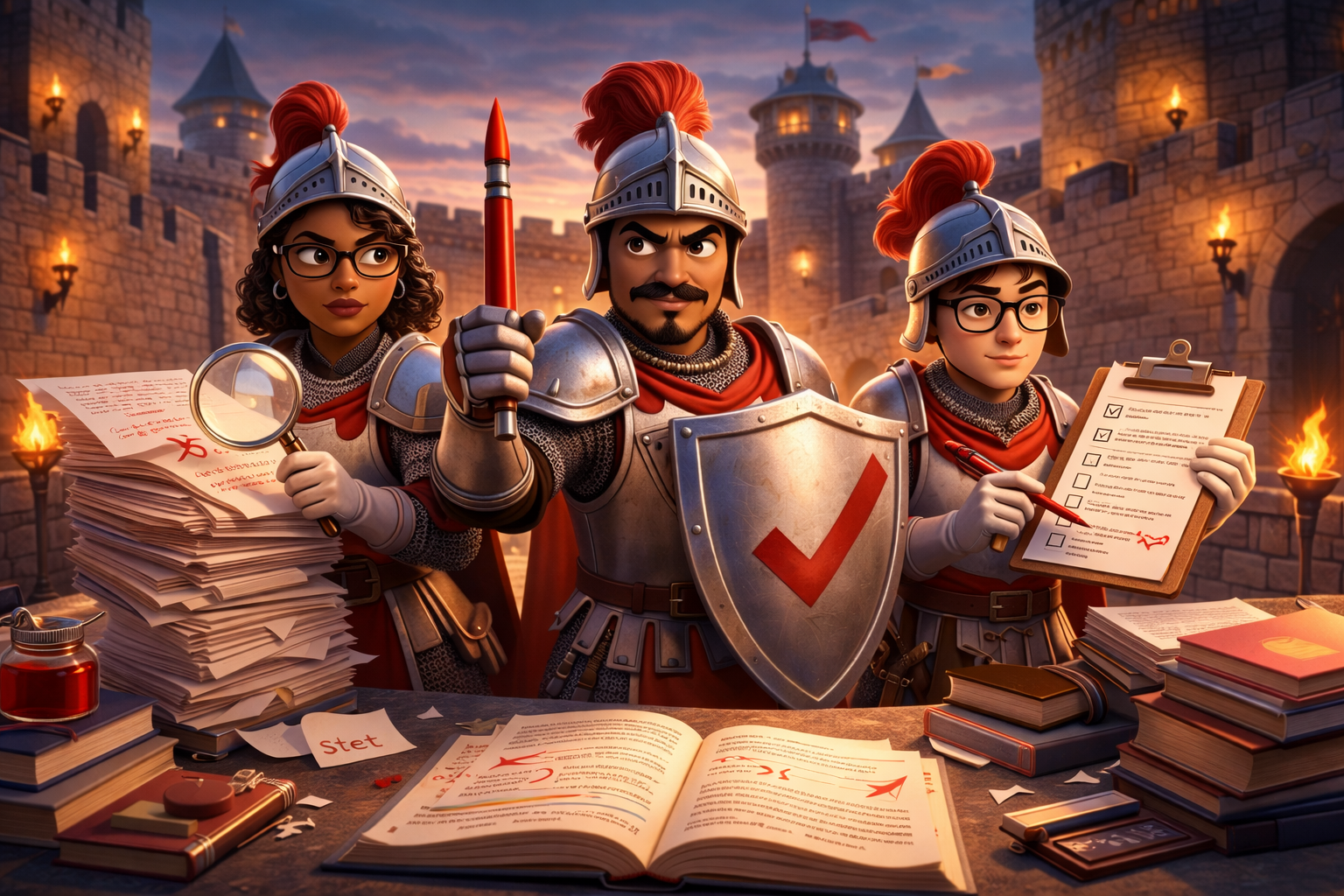
Copyediting: The Guardian of Details
Copyediting is where the nitpickers shine. Grammar, punctuation, consistency, and continuity all live here. It might sound dull, but copyediting prevents embarrassment. Imagine a character who has green eyes on page 10 and blue eyes on page 200. Readers notice. Or worse, a misused word that shifts meaning. Copyeditors are the unsung heroes who keep authors from looking careless.
One memoirist discovered through copyediting that her dates didn’t align with historical events she mentioned. Fixing those details saved her from angry reviews accusing her of making things up. Copyediting may not be glamorous, but it is the safety net that keeps a book from unraveling once readers start looking closely.
Finding an Editor Without Losing Your Shirt
The next panic point is money. Professional editors cost real dollars, and most indie authors don’t have corporate budgets. Still, there are ways to find good editing within reach. Many authors start by trading work with critique partners, using writing groups as a first filter. Others save up for at least one professional round, often developmental or line editing.
Websites and freelance marketplaces host a range of editors, but it pays to research. Sample edits help test the fit. A friend once hired the cheapest editor she could find. The result was a manuscript still riddled with errors, which she had to pay again to fix. Another author invested in a single developmental edit, then used beta readers to polish further. The key isn’t to cut corners but to spend wisely. Editing is the one area where “good enough” often isn’t.
The Emotional Weight of Letting Go
Editing isn’t just mechanical; it’s emotional. Cutting words you love feels like betrayal. Writers talk about “killing your darlings” for a reason. One novelist cried when her editor suggested axing a 40-page subplot. That subplot was her favorite, the one she thought showed her cleverness. But once it was gone, the story tightened and became sharper.
Readers never knew what was missing. Editing teaches humility. You realize that some of your best sentences don’t serve the story, and your cleverest twists may actually confuse. Letting go isn’t easy, but it’s freeing. You learn to serve the book, not your ego. That shift separates amateurs from professionals.

Conclusion: The Mercy Hidden in the Pain
Editing feels like punishment, but it is actually mercy. It protects your book from being abandoned by readers who deserve your best. It transforms raw drafts into polished works that stand tall on crowded shelves. Readers don’t see the hundreds of cuts and rewrites; they only feel the flow of a story that holds them. The mercy lies in the fact that editing doesn’t erase your voice. It clarifies it.
When readers review your book with phrases like “couldn’t put it down” or “beautifully written,” they’re actually praising the invisible labor of editing. Self-publishing without editing is like opening a restaurant without tasting your own food. Editing is the taste test, the refinement, the final proof that your story is ready. It isn’t glamorous, but it is necessary. And in the end, it is what turns a draft into a book that not only exists, but endures.
Most writers stop at “The End.”
Professionals start there.
If you’re serious about building books that sell, grow, and last, subscribe to the newsletter and step inside the Negus.Leo Publishing Online Library. You’ll get practical guidance, honest insight, and strategies people actually use.
Write boldly. Publish wisely. Build something that outlives the hype.
Canty